Medical Cannabis
Cannabis sativa
* Chemical Composition
Cannabis sativa is a phytochemically complex species containing over 500 identified chemical constituents.
These include:
- Cannabinoids
- Terpenes
- Flavonoids
- Alkaloids
- Stilbenes
- Phenolic amides
- Lignanamides
Among these groups, Cannabinoids represent the most pharmacologically relevant class.
They interact with the human endocannabinoid system and contribute to the therapeutic potential of the plant.
Predominant Cannabinoids present in Cannabis sativa include:
- Tetrahydrocannabinol (THC)
- Cannabidiol (CBD)
- Cannabinol (CBN)
- Tetrahydrocannabivarin (THCV)
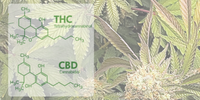
Cannabis sativa plant is the only known species in the plant kingdom that contains naturally occurring cannabinoids.
* Endocannabinoid System
The Endocannabinoid System (ECS) is an essential biological network present in all vertebrates, including mammals, birds, reptiles, and amphibians.
This regulatory system plays a key role in maintaining physiological balance, commonly referred to as homeostasis.
The human body naturally produces endocannabinoids and presents specific receptors that interact with these molecules.

The main Receptors of the Endocannabinoid System present in the Human Body are:
- CB1: Primarily located in the Central and Peripheral Nervous Systems, where they influence neurological processes such as pain modulation, memory, coordination, and mood regulation.
- CB2: Expressed mainly in cells of the Immune System and Hematopoietic System, contributing to the regulation of immune and inflammatory responses.
Through the activation of CB1 and CB2 receptors, cannabinoids play a role in key physiological processes, helping the body maintain internal stability and an optimal functional balance.
Medical Cannabis ~ Benefits and Therapeutical Aplications
Medical cannabis has become an increasingly relevant therapeutic tool within the pharmaceutical field, supported by a substantial body of preclinical and clinical evidence.
Its primary applications focus on managing complex conditions and symptoms that are refractory to conventional treatments, thanks to its analgesic, anti-inflammatory, and neuromodulatory properties.
Among the therapeutic indications with the strongest scientific documentation are:
• Chronic and neuropathic Pain: helps reduce pain perception and improve quality of life.
• Multiple Sclerosis: contributes to the control of spasticity and symptoms associated with neurological dysfunction.
• Refractory Pediatric Epilepsies: significantly decreases the frequency and intensity of seizures.
• Oncologic pain and chemotherapy treatments:
Supports the improvement and management of adverse effects such as nausea, vomiting, loss of appetite, and general discomfort.
• Fibromyalgia, Arthritis, and other Musculoskeletal Disorders: provides relief through its anti-inflammatory and analgesic activity.
• Parkinson’s Disease: helps reduce rigidity and spasticity, supporting improved motor function.
Medical cannabis, when formulated and administered under strict pharmaceutical standards, represents a safe and effective therapeutic alternative for various clinical conditions, contributing to improved patient health and quality of life.
Quality as a Fundamental Pillar
The quality of the raw material is a decisive factor in the development of cannabis-based pharmaceuticals.
Only through controlled, traceable cultivation aligned with regulatory standards issued by health authorities is it possible to ensure safe, consistent, and effective products that enhance patient well-being.
Our company operates with this commitment at its core.
We develop and produce premium-quality raw materials under GACP and GMP standards, ensuring exceptional purity, traceability, uniformity, and regulatory compliance.
Our mission is to provide reliable solutions to the pharmaceutical industry and meet the needs of our clients through products distinguished by their quality, innovation and scientific rigor.